A rental property move in checklist helps an owner prepare the home, record its condition, and coordinate a clear handoff before a resident receives the keys. The best checklist is more than a room-by-room list of repairs. It connects property readiness, documentation, access, utilities, and communication so everyone knows what has been checked and what still needs attention.
Discuss your rental property with Vantage
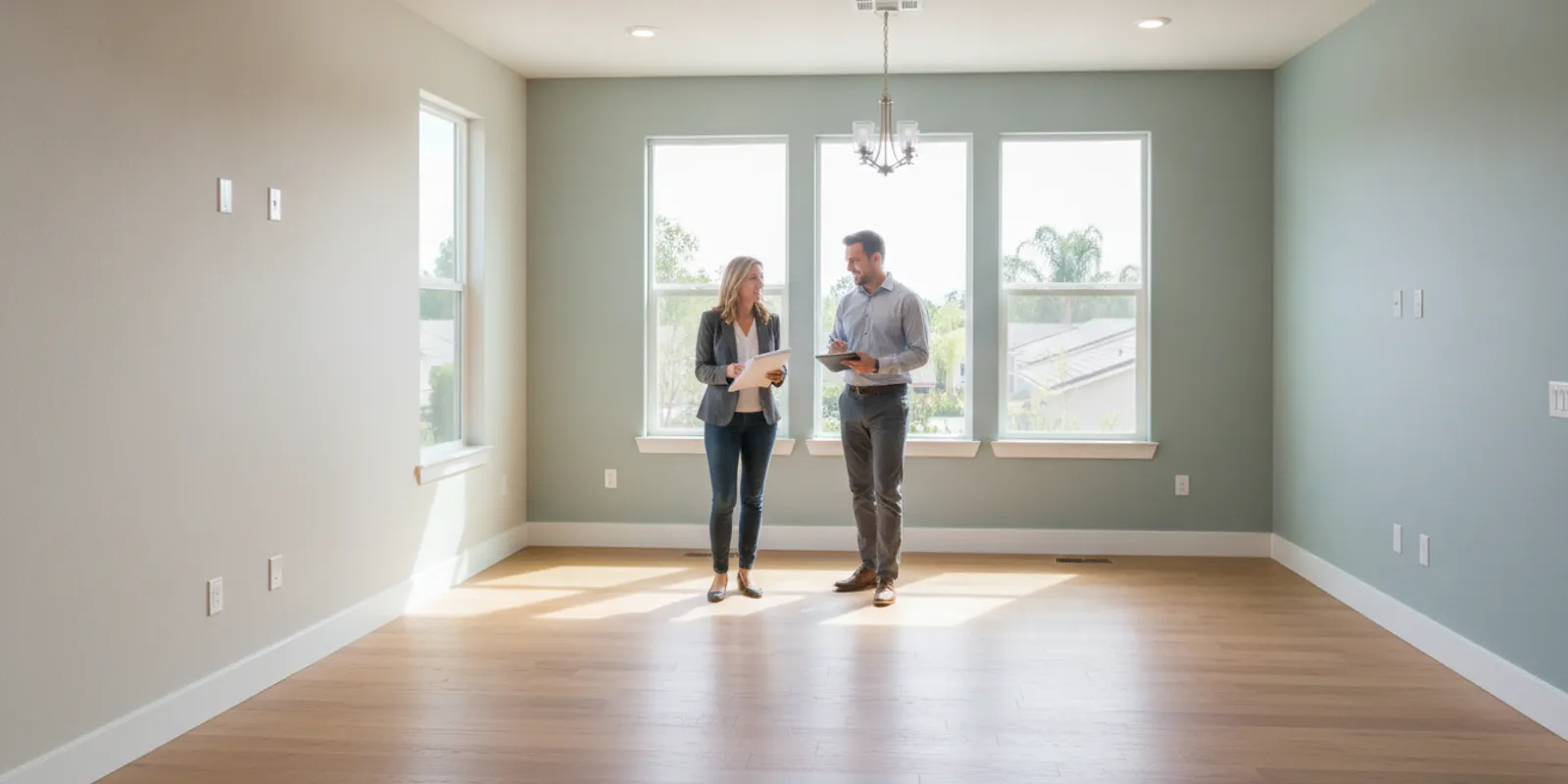
What should a rental property move-in checklist cover?
For an owner, a useful checklist answers four practical questions: Is the property ready to occupy? What condition is it in today? What does the resident need to know to use it safely and properly? And who will follow up on any open items? A written record gives the owner and manager a shared point of reference instead of relying on memory or scattered messages.
Make the checklist specific to the home. A single-family house may have a garage, yard, irrigation controls, and exterior gates. An apartment may have shared entrances, building rules, and common-area access. A mixed-use or commercial property may have additional systems and operating arrangements. The core process is similar, but the spaces, equipment, and handoff details differ.
Think of the checklist as an organized record of a moment in time, not a promise that nothing will ever need repair. Record observable facts, note anything that needs follow-up, and keep supporting photos or documents with the property file.
When should owners complete the checklist?
Schedule the walkthrough close to the move-in date, when the home is clean and any planned work is substantially complete. If the property is still occupied or contractors are finishing work, identify what has not yet been inspected rather than marking it as complete. A checklist is only useful if it reflects what was actually seen.
Use the same inspection approach each time: move through the property in a consistent order, check each area, and record the date and the people present. The University of Iowa’s student legal services checklist recommends completing its form at or around move-in. Colorado’s rental-property checklist describes tenants completing it within three days of moving in and reviewing it with the landlord or manager. These are examples of checklist practices from those sources, not a statement of California deadlines; owners should confirm the rules and lease terms that apply to their property.
For California-specific questions, review a current, reliable source and consult a qualified professional when needed. Vantage’s overview of California landlord-tenant laws can help owners identify topics to investigate, but a move-in checklist does not replace legal guidance or required notices.
What if cleaning or repairs are still underway?
Separate the readiness decision from the condition record. Make a short list of unfinished items and group them by where they occur, such as “replace the kitchen cabinet pull” or “confirm the bedroom window latch.” Then record whether each item blocks access, affects the planned handoff, or can be followed up afterward. Avoid vague entries such as “finish repairs,” because they do not identify a task or establish how completion will be checked.
For each open item, identify who will coordinate it, what the next step is, and how the status will be shared. If a contractor needs to return, note that access must be arranged rather than assuming someone will be available. After completion, add the date and any relevant record to the file. This small closeout step makes the original checklist useful as a working handoff record without confusing unfinished work with items already inspected.
How can owners prepare before the walkthrough?
Preparation makes the walkthrough more complete and reduces last-minute confusion. Before the appointment, gather the lease and any move-in instructions, confirm the intended handoff date, and find the records for work recently completed. If a manager is coordinating the process, agree on who will attend, who will provide access, and how open items will be tracked.
- Confirm the property is ready for review. Make sure planned cleaning and repairs are finished or list the remaining work with an owner and expected follow-up date.
- Gather relevant records. Collect appliance manuals, warranty information, service notes, and details about systems the resident may need to operate.
- Check access items. Account for keys, garage remotes, gate devices, mailbox access, and any other entry method that will be provided.
- Plan how to document condition. Bring a room-by-room form, a phone or camera, and a way to label photos by area and date.
- Prepare written instructions. Have contact and maintenance-reporting procedures ready, along with any property-specific rules or building information.
- Set a follow-up method. Decide where unresolved work will be listed and how completion will be confirmed.
Decisions to settle before giving out keys
Before the handoff, confirm who is responsible for each practical detail. The lease and written property instructions should remain the source for resident obligations, but the checklist process can expose gaps that need clarification. Consider these questions:
- Are all keys, remotes, and access codes accounted for, and has the person receiving them confirmed what they open?
- Are utilities already active, or does the resident need to arrange a transfer or setup? Give only instructions that apply to this property.
- Are there included appliances or equipment with controls that may not be obvious? Provide concise operating information or the relevant manual.
- How will the resident request routine maintenance, and how should an urgent issue be communicated?
- Are there spaces or features that are not included in the rental? Point these out clearly and align the explanation with the written agreement.
- Is any work still pending? Identify how the owner or manager will provide an update and arrange access if needed.
These details can be easy to miss when the focus is only on walls and floors. A short written handoff note helps keep instructions consistent and gives the resident a reference after the walkthrough. Avoid adding informal promises or rules that conflict with the lease; if a question changes a written term or raises a legal issue, resolve it through the appropriate formal process.
Owners who already use a repair process can connect the walkthrough to it. A practical rental property repair guide can help organize how reported issues are assigned and tracked. For ongoing upkeep, separate the handoff record from a broader rental property maintenance checklist; the first documents move-in condition, while the second supports recurring maintenance planning.
What should owners check in each area?
Walk the home in a fixed sequence, such as exterior, entry, living areas, kitchen, bedrooms, bathrooms, utility spaces, and any storage or parking areas. Use clear descriptions instead of general labels. “Small chip on the lower-left edge of the bedroom door” is more useful later than “door damaged.” If an area cannot be checked, write down why and arrange a follow-up.
| Area or system | What to review | What to record |
|---|---|---|
| Entry and exterior | Doors, locks, windows, screens, lighting, gates, paths, and visible exterior condition | Existing marks or damage, access devices provided, and any follow-up needed |
| Living areas and bedrooms | Walls, floors, ceilings, doors, windows, blinds, and installed fixtures | Visible condition, stains, chips, missing items, and dated photos where useful |
| Kitchen | Cabinets, counters, sink, visible plumbing, installed appliances, and lights | Appliances present, visible condition, and any function check actually completed |
| Bathrooms | Fixtures, drains, visible seals, ventilation, cabinets, and surfaces | Visible leaks, damage, missing parts, and items needing attention |
| Utility and equipment spaces | Accessible heating or cooling controls, water heater area, laundry, and panels | Accessible condition, instructions provided, and professional follow-up required |
| Yard, garage, or shared areas | Fences, gates, landscaping, storage, parking, and areas included with the rental | Included spaces, visible condition, access method, and care expectations |
Do not claim that a system works unless it was appropriately checked. A visual walkthrough is not a substitute for a qualified inspection of equipment or building systems. If something appears unsafe, damaged, or outside the scope of a routine walkthrough, record the concern and arrange appropriate professional review before relying on it.
How should owners document the property’s condition?
Use written notes and photographs together. Notes explain what a photo shows; photos help preserve details that are hard to describe. Take images in adequate light, frame the item clearly, and keep the original files with the property record. For larger marks or damage, take a wider image to show the location and a closer image to show the detail.
For each concern, record the room or location, the observed condition, the date, and whether follow-up is needed. Separate existing condition from a repair request or a future maintenance suggestion. If a resident or owner points out a detail during the walkthrough, add it to the record rather than assuming it will be remembered later.
- Use neutral, specific wording. Describe what is visible without guessing when or how it happened.
- Identify each image in a consistent way, such as property, room, and date.
- Keep a copy of the completed form and supporting files in a location the owner or authorized manager can retrieve.
- Ask the participants to review the completed record and note any disagreement or correction.
- Track incomplete work separately, with a responsible person and a planned next step.
A checklist does not by itself settle every future disagreement. Its value is that it creates a timely, organized record. The Colorado checklist, for example, asks the tenant and landlord or manager to review the completed form together; the University of Iowa form is another example of a move-in and move-out condition record. Adapt the process to the property and applicable requirements rather than treating another state’s form as a California rule.
What should the resident know at handoff?
A physical walkthrough is only one part of a useful move-in. The resident also needs a clear explanation of how to enter, report a problem, and understand the spaces or equipment included with the rental. Give instructions in writing and make them easy to refer to after the handoff.
- Access: Identify which keys and devices were provided, what doors or gates they operate, and how to report an access problem.
- Maintenance: Explain how to submit a repair request, what information to include, and how urgent concerns should be reported.
- Utilities and equipment: Clarify any property-specific setup or operating instructions that are part of the lease or handoff.
- Shared spaces: Point out parking, storage, shared entrances, or other areas the resident may use, along with applicable written instructions.
- Open items: List unfinished work, the next step, and how the resident will receive an update.
Be precise about responsibilities. Do not rely on a quick verbal explanation for important procedures, and do not make a checklist substitute for the lease or required disclosures. For owners comparing management approaches, Vantage’s page on tenant support services discusses the kinds of resident-facing support to consider.
How can owners manage open items after move-in?
Some work may remain after the initial walkthrough. The important step is to make open items visible and establish a process for updates. Create a short action list with the issue, priority, responsible party, and next check-in. If access to the property is needed, coordinate it clearly and document the status when work is finished.
A simple tracking table can prevent a note on the original checklist from being overlooked:
| Open item | Owner or assigned person | Next step | Status record |
|---|---|---|---|
| Describe the specific issue | Name the person responsible for coordinating it | State the planned action or follow-up | Record when the work is completed or reviewed |
| Note an area not checked | Assign someone to arrange access or review | Set a time to complete the inspection | Add the results to the property file |
Keep this record separate from routine financial reporting, but ensure relevant repair costs and work records are routed into the owner’s normal recordkeeping process. Owners who want to understand how management reports can organize property activity may find Vantage’s guide to a property management chart of accounts helpful.
When might professional management help?
A detailed handoff takes time and coordination. It may involve preparing the home, arranging cleaning or repairs, documenting condition, providing access, answering resident questions, and following up on unfinished work. The workload grows when an owner manages several properties, lives far from a rental, or wants one consistent process for residents and maintenance requests.
Professional management can coordinate leasing, resident communication, rent collection, maintenance coordination, and owner reporting. The right scope depends on the property and the owner’s needs. Ask what the manager handles directly, what requires owner approval, how records are shared, and how work in progress is communicated. Vantage Property Management serves residential and commercial owners across Greater Los Angeles, Orange County, Riverside, and San Bernardino, with a focus on personalized service and local expertise.
Before selecting a provider, compare the service process, communication practices, documentation, and agreement terms rather than relying on a checklist alone. Vantage’s guide to what property management is and how to choose offers questions owners can use in that evaluation. You can also review its property management services and its approach to tenant screening and placement, a separate part of preparing for a new tenancy.
Talk with Vantage about your property
Frequently asked questions
Is a move-in checklist the same as a property inspection?
No. A move-in checklist records observable condition and handoff details at a particular time. It does not replace a qualified inspection of building systems, a repair assessment, or any legal requirements that apply to the rental.
Should a resident receive a copy?
Keeping a copy available to the resident and the owner or manager supports a shared understanding of what was recorded. Use a method that preserves the completed form and related photos, and follow the lease and applicable requirements for providing or retaining records.
What if a repair is not complete by move-in?
Document the issue accurately, identify who is coordinating it, and explain the next step and communication plan. Do not mark unfinished work complete. If the condition raises a safety or habitability concern, seek appropriate professional guidance and address the issue before proceeding as appropriate.
Can I use a checklist I found online?
A sample form can help you build a consistent process, but it may reflect another state’s practices or omit details relevant to your property. Adapt it carefully, check California and local requirements, and use the lease and qualified advice for legal questions.
Build a repeatable move-in process
A useful rental property move in checklist joins a prepared home, a careful condition record, a clear resident handoff, and follow-through on open work. Use a consistent walkthrough, be specific about what was observed, and keep the record where the owner or authorized manager can find it. When you want help coordinating the day-to-day work, speak with a property management professional about the process and services that fit your rental.